Making people and computers work better together
I am an occupational health physician by trade, but I am no stranger to programming. I spot where work processes can be smarter and build the tools to fix them myself.
Summary
PaSS had been on my mind for a long time. I wanted an app that allowed me to call clients and patients anonymously, while ensuring colleagues and business contacts could instantly see it was me calling. While I have programming experience, the Android ecosystem and Kotlin were entirely new to me. The rise of AI as a programming assistant acted as the perfect translator to port the logic I had already designed into this new language.
The bridge between the workflow and IT
Ever since my studies, my strength has been at the intersection of users and technology. In the past, I built applications and graphical interfaces myself, and I often sat in project groups to translate the needs of doctors to the IT department. I understand programming concepts, but setting up a robust Android architecture was a new step. AI helped me bridge the steep learning curve of Kotlin. I am the architect: I design the logic, the structure, and the workflow. I understand the codebase well enough to see exactly how everything works under the hood, relying on AI for the precise details and complex syntax.
From simple tool to complete phone manager
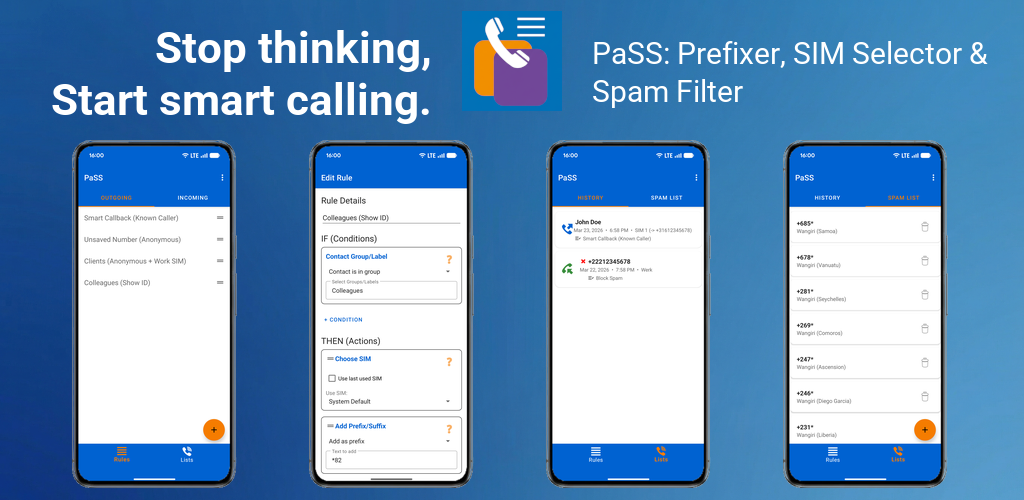
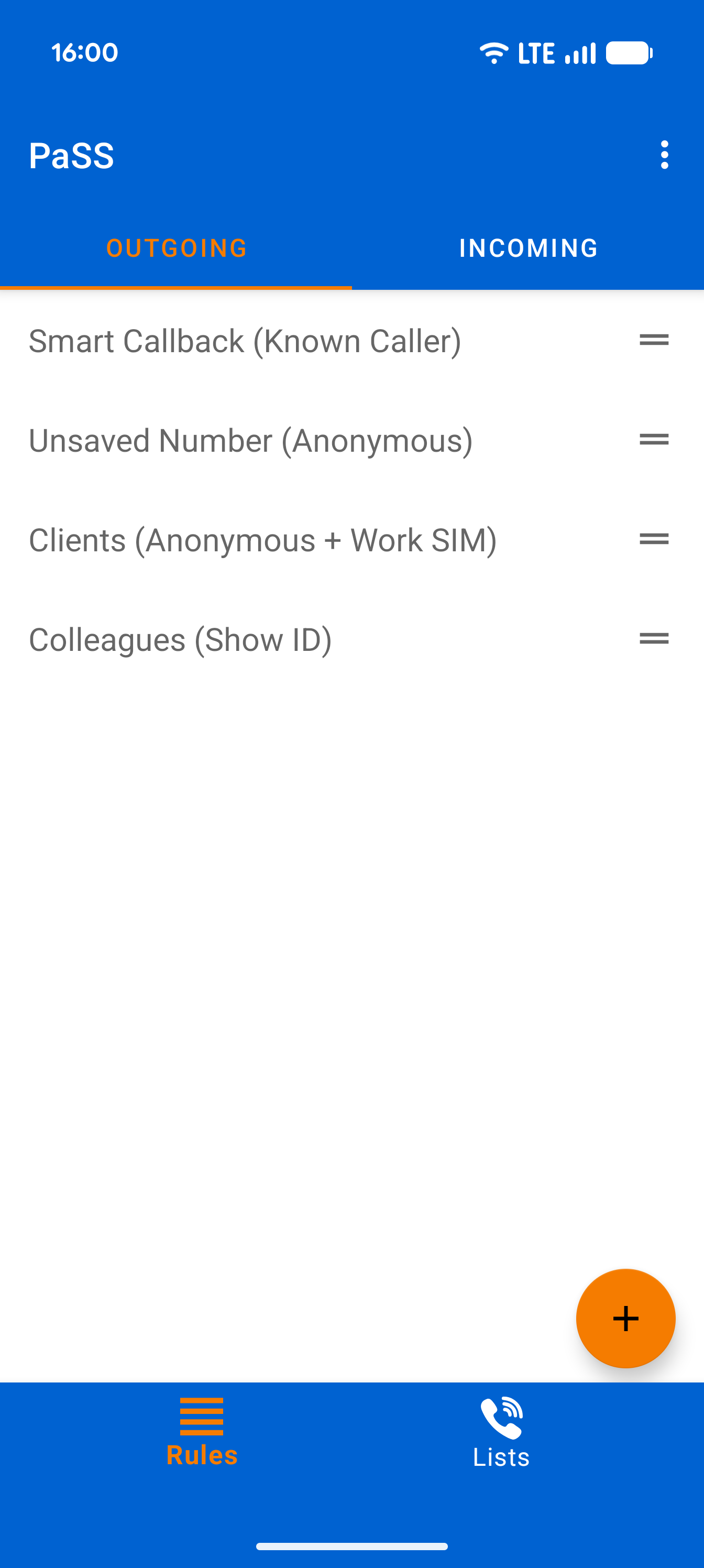
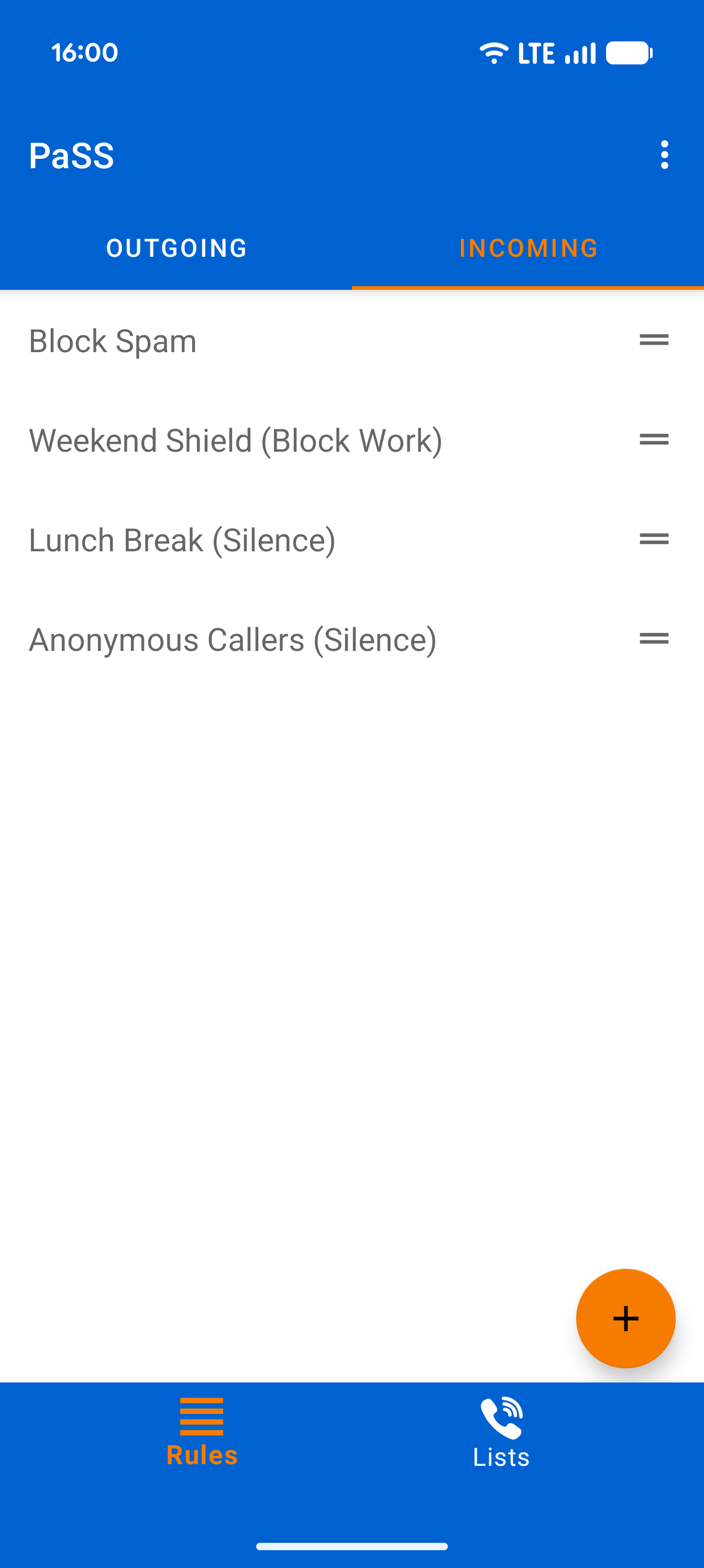
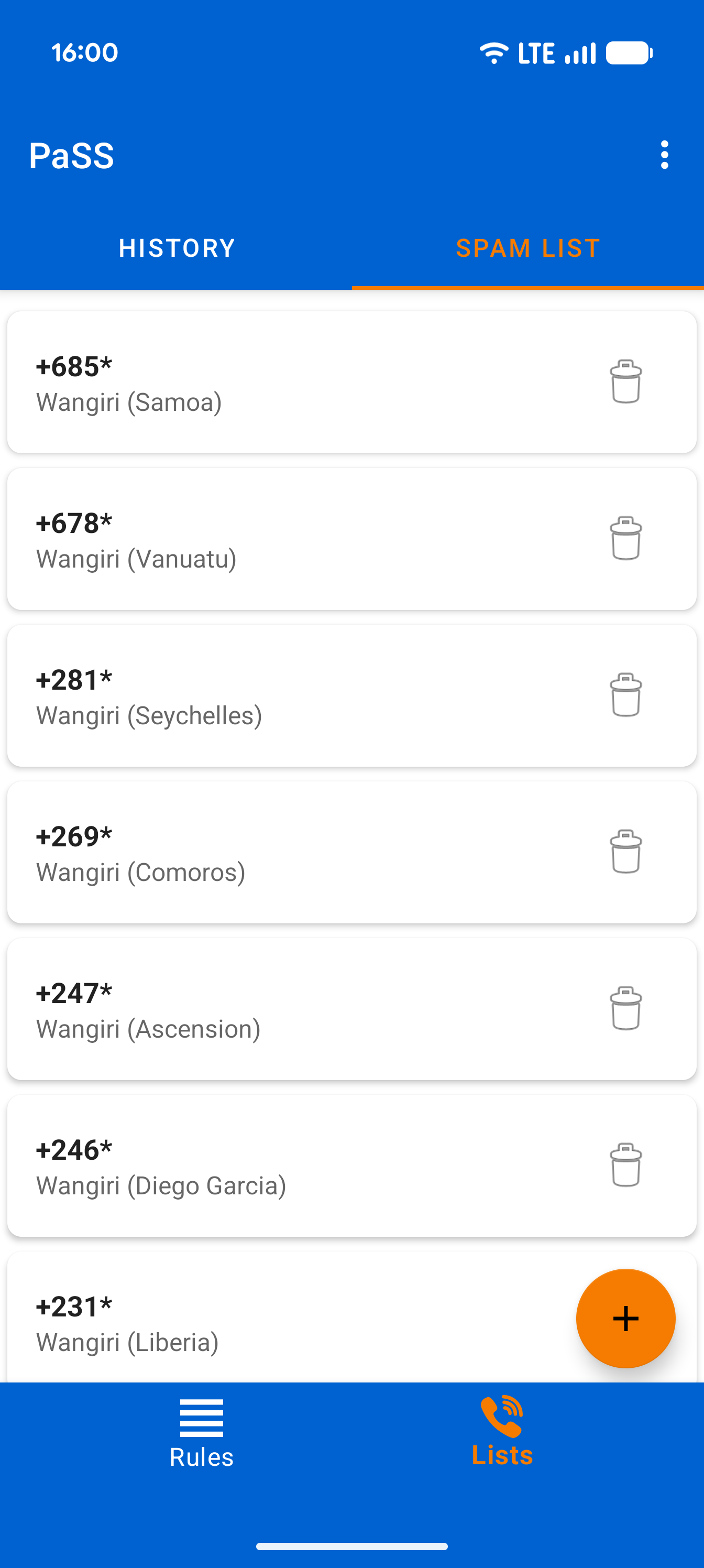
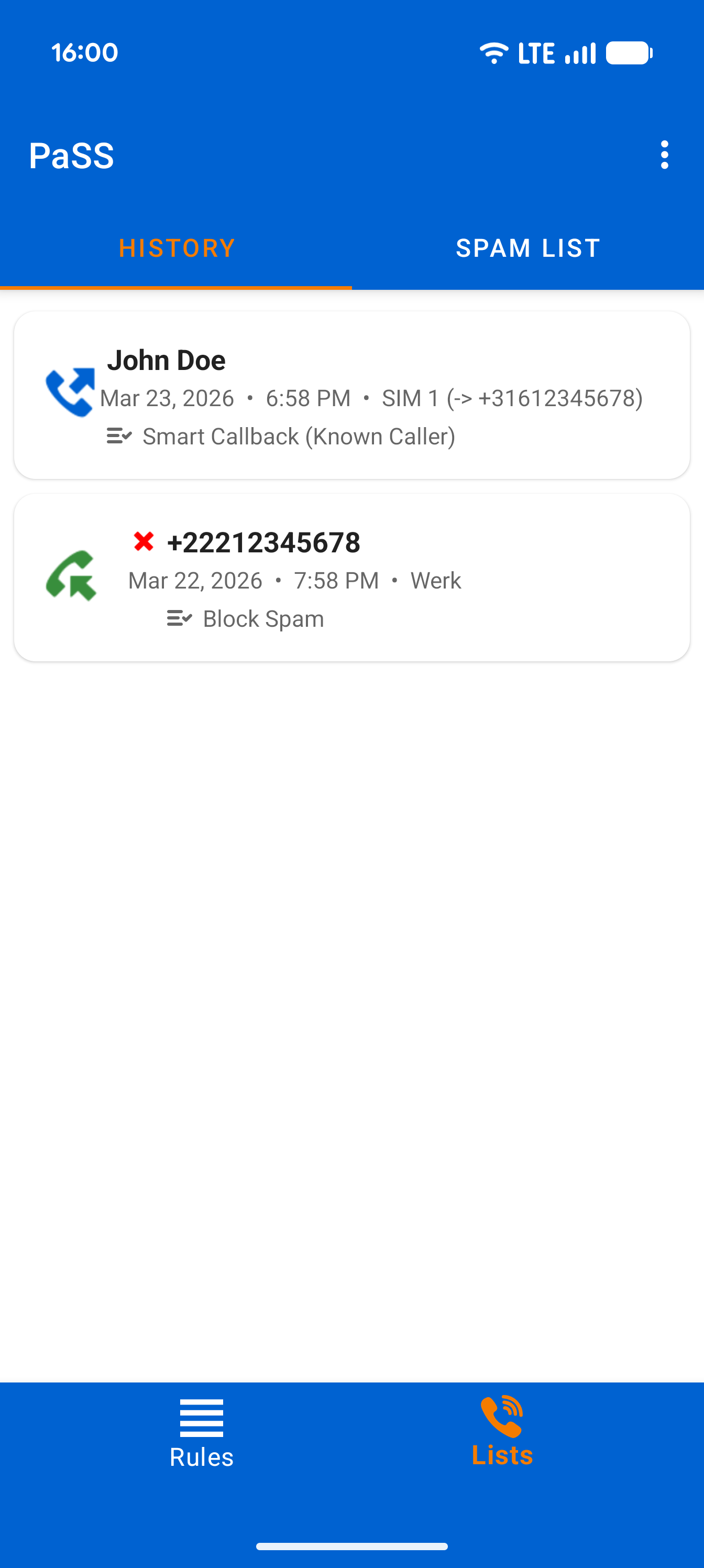
What started as a simple tool to separate work and private life (routing outgoing calls and hiding numbers) has evolved into a comprehensive, local phone manager with version 2.2. Users now have 100% control over who can call them and how outgoing calls are handled. You can build your own local spam blocklists (including wildcards), block anonymous telemarketers, and instantly see exactly which rule intercepted a call in the call history. Everything is fully automated and processed 100% locally for maximum privacy.
Media Assets & Screenshots
Download the logo, feature graphic, and high-resolution screenshots of the latest app version below. Free to use for publication.